

“He was a wise man who invented beer,” said Plato, and standing in the middle of a Nashik microbrewery named after artillerymen, you can’t help but think the old philosopher was on to something.
For a city long known more for its vineyards than its vats, beer in Nashik feels like a small rebellion. And rebellion is perhaps the right word here, because Topchi Brewing isn’t a random name plucked from thin air. Topchi is the Marathi/Hindi/Urdu word for artillery gunner, and Deolali, right next door, is one of India’s oldest artillery centres. Soldiers trained here, marched here, and fired cannons with the kind of precision you’d expect from men whose nickname would later grace a beer glass. It’s an evocative nod to history.
It’s a clever metaphor too, because craft beer is a kind of artillery in itself. You don’t casually wing a Belgian Witbier any more than you fire a cannon without aim. Every hop, every malt, every pour has to land with precision. At Topchi, their line-up is designed not just to serve but to educate to show Nashik that beer can be crisp, dark, smooth, bitter, and everything in between. Whitewash, the Belgian Witbier, is bright, citrusy and lightly spiced an easy recruit for newcomers, and the perfect companion to fried food. Le Crema, the Cream Ale, is mellow and sessionable, a beer that quietly disappears while conversations stretch.
Beer, of course, is only half the drill. The food menu tries to keep pace, and this is where the critique sharpens. The Makkhan Pizza and Chicken Saagwala Pizza are quirky, localised riffs that lean into Nashik’s fondness for fusion. The sourdough crust has character tangy and chewy but the toppings occasionally overwhelm it, leading to sogginess that no artillery metaphor can defend. A little restraint in layering, and perhaps a kiss of smoke from the oven, would transform these pies from interesting to irresistible.
Here are my picks at topchi
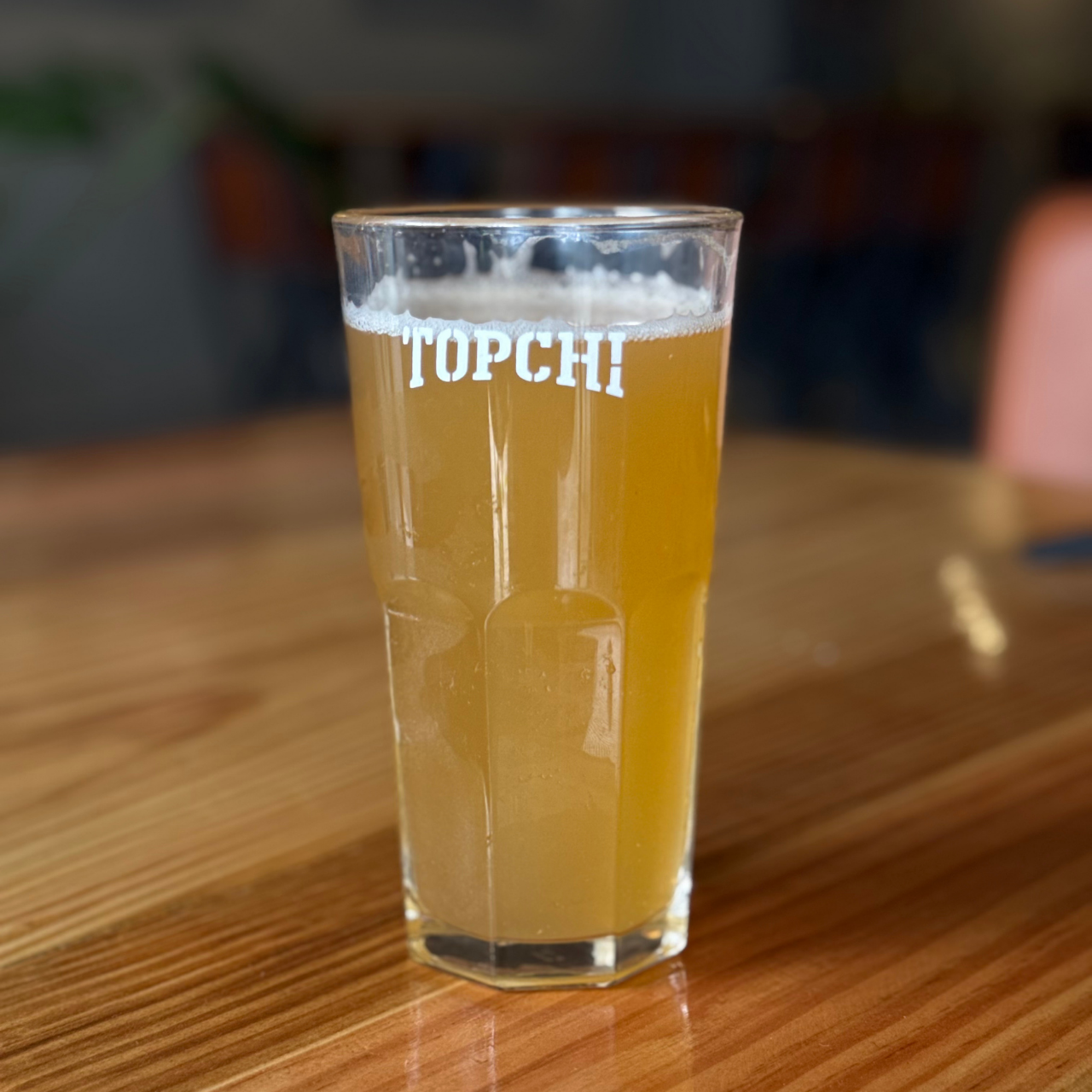
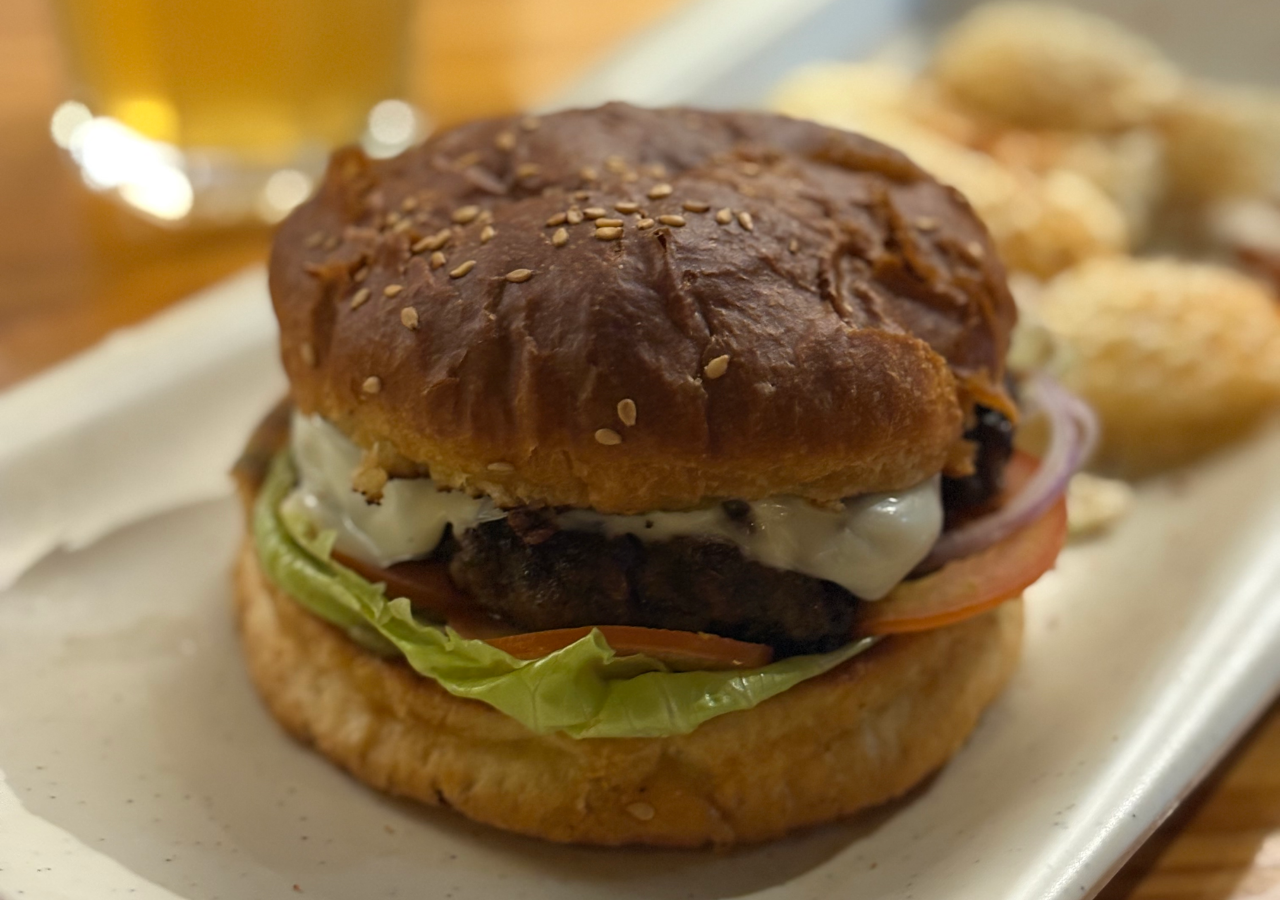

The Smashing Good Mutton Burger, however, is exactly what you want in a burger. The patty is juicy and flavourful, the bun holds its integrity, and the condiments pull their weight without overcomplicating things. It feels deliberate, crafted the kind of burger you’d happily order twice. The Kheema Hummus is hearty and filling, spiced mince over creamy hummus, though it could do with more seasoning bravado to really stand tall beside a pint of stout or amber.
And then there was the Fish and Chips, easily the evening’s surprise victory. Crisp golden batter, moist flaky flesh inside though when asked, the staff seemed uncertain about the fish itself (likely basa, judging by the texture). No matter; paired with a Whitewash, it was a marriage that needed no explanation. Some things, like beer and fried fish, simply work.
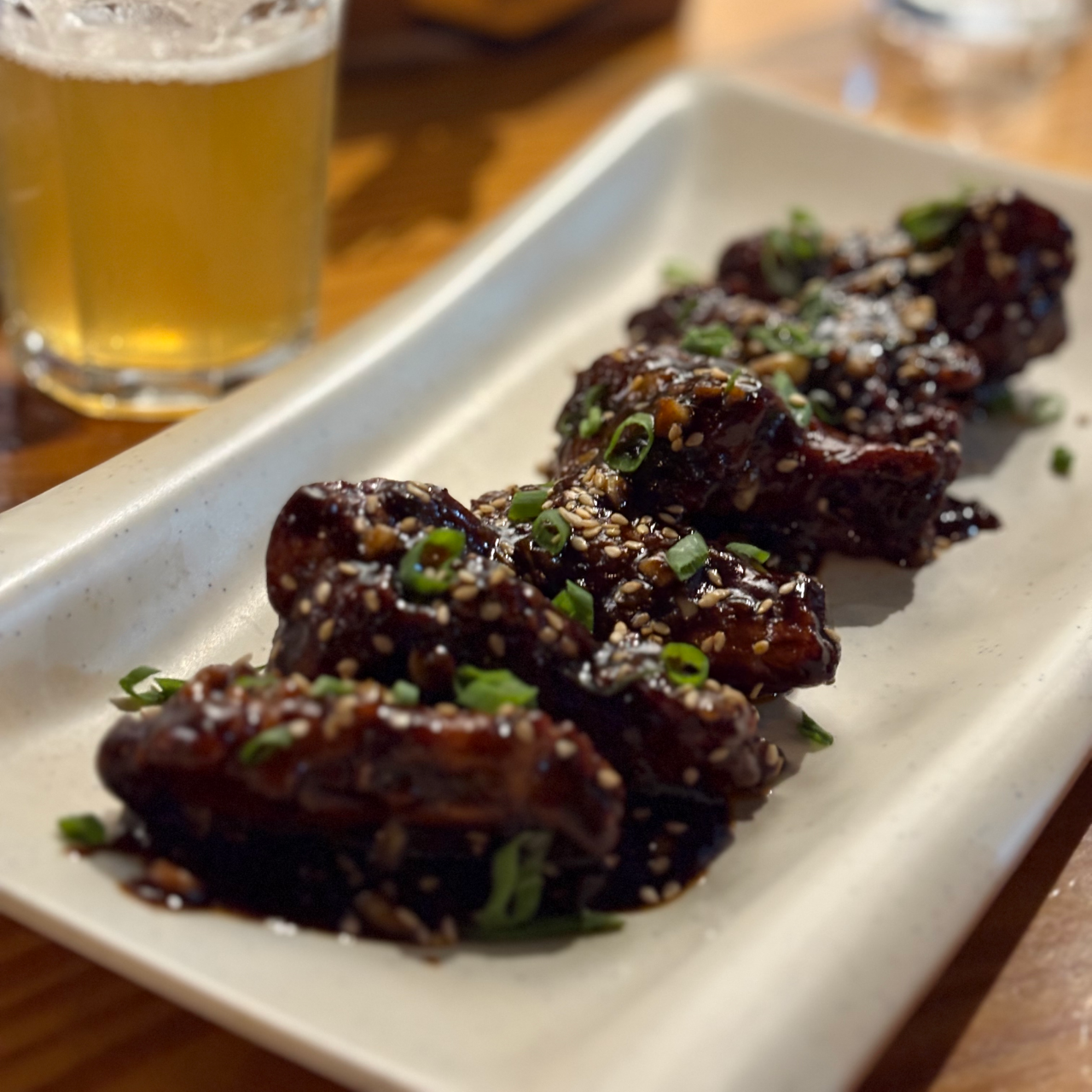
And then there were the Chicken Wings. They offer a handful of sauce options like Korean, BBQ, Nashville, Dragon, but I stuck with the classic BBQ. Greasy in the best way, crunchy outside, juicy inside, and finger-licking enough that the napkins felt under-supplied. Sometimes you just want wings to taste like wings, and these did the job.
Topchi isn’t without its quirks. With fewer service staff, food can take its time to land on the table, especially when the taproom fills. For some, the menu may feel unfamiliar pizzas with saag, hummus with kheema, beers named like battalion codes. But that’s part of the intent: to nudge Nashik gently out of its comfort zone, away from lagers and predictable plates, into a space where food and drink are both playful and purposeful. The price point, interestingly, is more reasonable than you’d expect for a microbrewery, which makes experimentation less daunting.
What Topchi is really attempting is more than filling glasses. It’s trying to cultivate culture. Just as Deolali once trained artillerymen in precision, Topchi is training Nashik’s palates in patience, variety, and curiosity. Craft beer has always been less about speed and more about nuance noticing what’s in the glass, how it pairs with food, how it changes as it warms. That philosophy feels well suited to a city caught between the sacred and the spirited, tradition and experimentation, vineyards and breweries.
As I walked out, pint still resonating, I thought of how wine once put Nashik on the world map, but perhaps it is beer that will make people linger longer. Wine whispers refinement, beer leans back, laughs, and tells you stories you didn’t know you wanted to hear. And for Nashik, a city layered with gods, grapes, and now gunners turned brewers, maybe that’s exactly the kind of conversation it’s been waiting for.

 Just Nashik